3112 N Jupiter Rd, Suite 217, Garland, TX, United States, Texas
(469) 807-0774 ‐ (214) 864-3315
9:00 AM to 6:00 PM / 6 Days
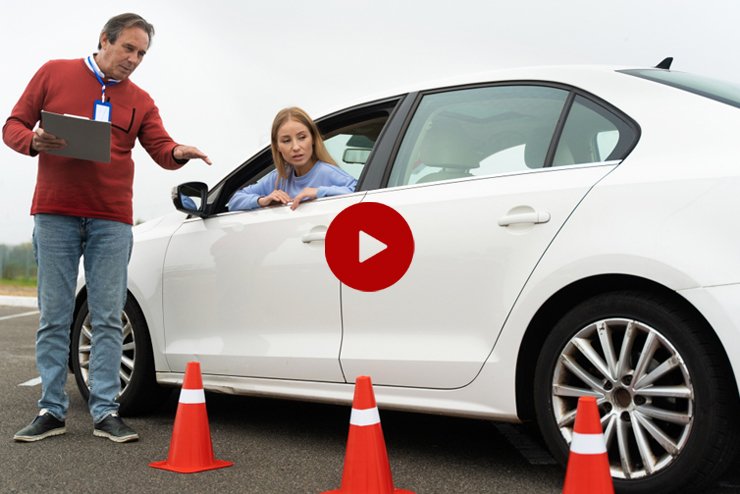
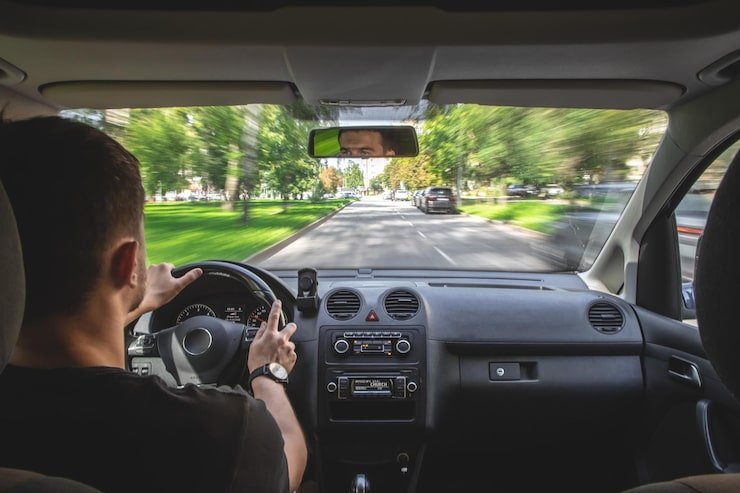
TDLR-approved Texas Teen Driver Education Online course, Online classroom and behind-the-wheel instruction by the US-BD Driving School. Everything your teen needs to get their Texas learner’s permit and driver’s license.
Teens between the ages of 14 years and 10 months and 17 years are eligible to enroll in Texas Parent-Taught Driver’s Education. Teen students must be at least 15 years of age to receive their Texas learner’s permit. The steps for INSTRUCTOR-LED Texas TEEN Drivers EdUCATION COURSE include:
How long does it take to INSTRUCTOR-LED ONLINE Drivers Education? The course includes 24 hours of online instruction, 14 hrs (7 hours x 7 hours) behind-the-wheel practice by the Instructor, and 30 hrs behind the wheel practice by the parent. The State of Texas limits instruction to no more than two hours per day for online instruction and one hour per day for behind-the-wheel training.


If you do NOT pass the driving test, you will be informed when you may return to retest.
If you pass the driving test:
During a stop, a law enforcement officer will determine if you have a valid driver license as required. If not, the penalties are as follows:
A restriction code may be placed on any type of driver license. This is not meant to interfere with an individual’s driving, but to make the individual a better driver. Individuals who wish to have a restriction code removed should contact their local DMV.
DPS is authorized to cancel the driver license or ID card of individuals who do not meet certain qualifications. The following types of cases require cancellation of a driver license or ID card:
Upon receipt of a court order, DPS will suspend, revoke, or cancel a license or driving privilege for:
DPS is authorized to deny the issuance of a driver license to a person who is ineligible to receive a license in this state. An applicant may be denied a driver license for:
An occupational license, also called an essential need license, is a special type of restricted license issued to individuals:
Drivers who receive a conviction for one of the offenses listed in the Conviction Based Surcharges (DRP) table are assessed a surcharge every year for three years. Points are not assessed for these offenses because the surcharge is automatic upon conviction.
Intersections are tough to manage and are one of the most dangerous and confusing places for young drivers to operate a vehicle.
Always yield and give the right-of-way to police cars, ambulances, fire trucks and other emergency vehicles that are sounding a siren, bell or displaying flashing red lights.
For student drivers, work zone safety means extreme focus: